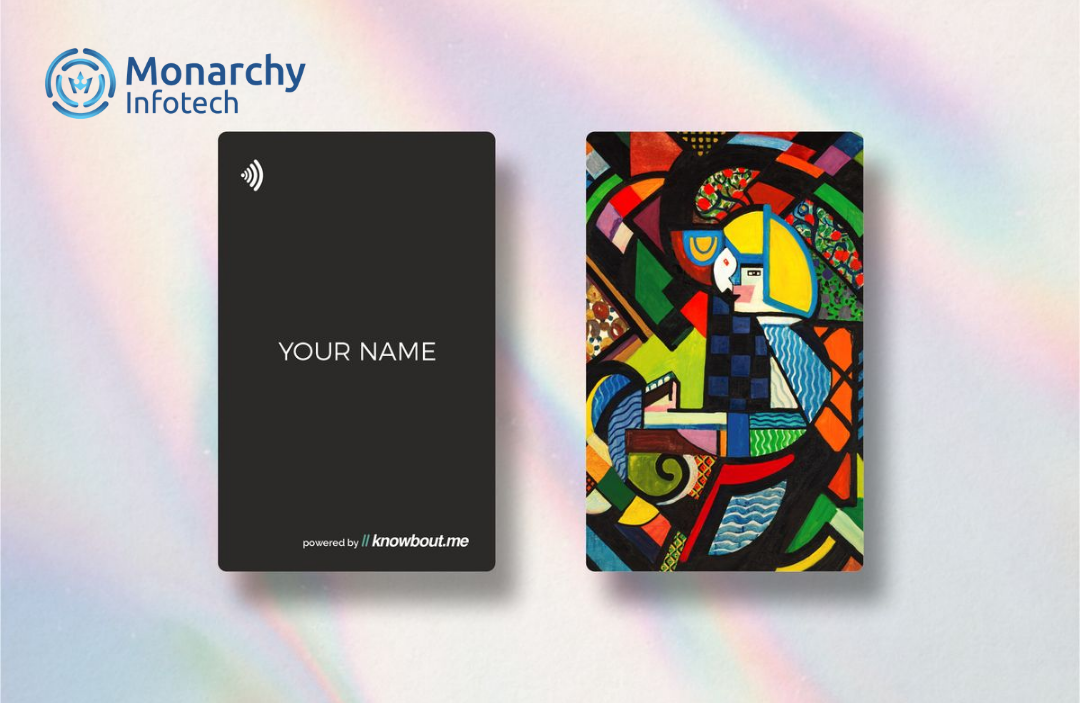
Virtual business cards are revolutionizing the way professionals network and exchange information in the fast-paced, high-tech world of today. Not all virtual cards, however, are of the same quality. To get the best out of this new networking device, one must pick one with the ideal features. In this blog post, we'll be going over the 9 essential features that all digital business cards must possess—from customization and shareability to security and integrations—so that you can make more informed decisions and make a lasting impression.
9 Must-Have Features Every Digital Business Card Needs
With today's digital-first environment, paper business cards are being replaced faster than you can say "digital business card." They're more environmentally friendly, more budget-friendly, and much more flexible than paper-based cards. But with all these options on the market, how do you know which digital business card fits your needs?
To assist you in making a decision, here are the 9 must-have features every digital business card needs.
1. Simple Customization
Your card must capture your personal brand. Ensure the platform enables you to personalize the design with the use of your brand color, logo, profile image, and font. The ideal card should be distinctly yours, not standardized.
2. Contactless Sharing Options
Networking needs to be seamless. The best digital cards enable you to share your information through QR codes, NFC (tap-to-share), links, or email signatures, allowing for maximum compatibility regardless of the circumstance.
3. Mobile-Friendly Design
As most will view your card on a phone, it should be mobile-friendly. Responsive design, simple navigation, and click-to-link make the experience smooth.
4. Rich Media Integration
Why settle for plain text? Today's digital cards can include videos, images, PDFs, and links to your portfolio, website, or social media profiles and make your card interactive and engaging.
5. Real-Time Updates
One of the greatest benefits of becoming digital is being able to update your information in real-time—no reprinting. Select an app where modifications are synced automatically, so your contacts always see your most recent information.
6. Good Security & Privacy Controls
Your digital business card might have sensitive information. Search for capabilities such as data encryption, password protection, and user-settable privacy controls to keep yourself in charge of which information is disclosed.
7. Analytics & Tracking
Curious if anyone actually saw your card? Most top-tier platforms have analytics to monitor views, shares, and engagement. It will help you gauge the success of your networking.
8. CRM & App Integrations
If you're a businessperson or entrepreneur, integration makes all the difference. The best virtual business cards integrate with CRM software (such as HubSpot or Salesforce), email clients, and contact managers for more efficient follow-ups.
9. Eco-Friendly & Cost-Effective
Switching to digital cards reduces waste, printing costs, and reordering hassles. It’s a sustainable and budget-friendly solution that also shows your commitment to innovation.
Final Thoughts
A digital business card isn’t just about replacing paper—it’s about enhancing your networking experience. By choosing one that offers customization, smart sharing options, and powerful integrations, you’ll stand out, build stronger connections, and leave a lasting impression.